
A television is no longer just a simple entertainment box—it has become a hub of smart features, streaming platforms, and immersive audio-visual experiences. However, all this advanced technology comes with a common concern: power fluctuations. In many regions, voltage instability is a frequent issue, and without proper protection, your expensive TV and home entertainment system could be at risk.
That’s where a TV stabilizer comes in. A good stabilizer ensures a steady flow of electricity, shields your device from sudden surges, and extends the lifespan of your TV. But with so many options available in the market, how do you choose the right one? Let’s look at the top features you should consider when buying a TV stabilizer.
1. Wide Input Voltage Range
One of the first features to check is the input voltage range supported by the stabilizer. This indicates how much fluctuation it can handle. For instance, in areas with frequent low or high voltage, a stabilizer with a wide operating range (say 90V to 300V) is ideal. The wider the range, the better your stabilizer can protect your TV against unpredictable electricity spikes or drops.
2. Surge Protection
Power surges caused by lightning strikes, sudden load shedding, or faulty power lines can damage your TV’s sensitive components instantly. A stabilizer with surge protection ensures that any excess voltage is absorbed and neutralized before it reaches your appliance. This is a must-have feature if you want to protect the internal circuits of your LED, LCD, or smart TV.
3. Time-Delay System
A stabilizer with a time-delay mechanism is particularly useful for homes that experience frequent power outages. When electricity returns after a cut, the stabilizer delays the resumption of current for a few seconds. This prevents your TV from being exposed to the initial unstable voltage flow, which can otherwise cause severe damage.
4. Overload Protection
A good TV stabilizer comes with overload protection, which automatically cuts off power if the load exceeds safe levels. This is important if your stabilizer is connected to multiple devices like a set-top box, sound system, or gaming console along with your TV. Overload protection ensures that all connected appliances stay safe.
5. Thermal Overload Protection
Apart from electrical overload, stabilizers can also get overheated, especially if they run for long hours. Thermal overload protection is a feature that prevents overheating by shutting down the stabilizer when it crosses a safe temperature level. This not only protects your appliances but also enhances the durability of the stabilizer itself.
6. Compatibility with TV Size and Type
Not all TVs consume the same power. A 32-inch LED TV uses far less electricity than a 65-inch smart OLED. When buying a stabilizer, always check whether it is designed to handle the wattage requirement of your television. Many stabilizers specify the TV size they are compatible with (e.g., up to 32-inch, up to 55-inch, etc.). Choosing the right stabilizer capacity ensures optimal performance and protection.
7. Wall-Mountable Design
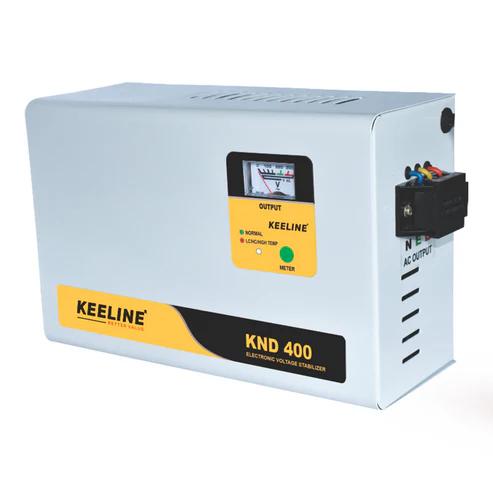
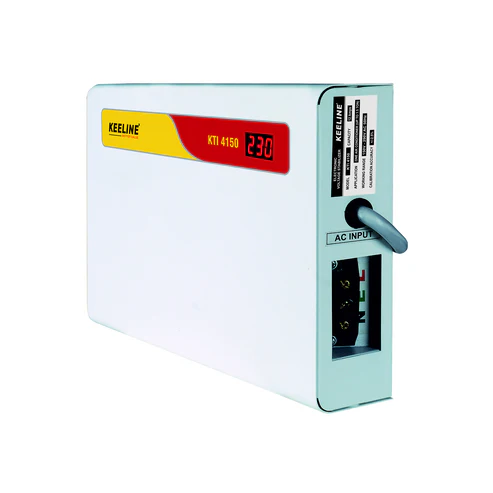
A sleek, wall-mountable stabilizer not only saves space but also keeps your device safe from accidental knocks, water spills, or children’s reach. If your entertainment unit has limited space, a wall-mount stabilizer is both practical and stylish. Many modern stabilizers are designed with compact builds that complement the look of your living room.
8. Energy Efficiency
While a stabilizer protects your TV, it should not consume too much energy itself. Look for models that are energy-efficient and minimize electricity wastage. This is particularly important if your stabilizer is running for long hours every day. Energy-efficient stabilizers save on your electricity bill and reduce your carbon footprint.
9. LED Indicators
An often-overlooked but useful feature is the presence of LED indicators. These lights show you the status of input power, output power, overload, and other conditions. With LED indicators, you can easily check whether your stabilizer is working correctly or if there’s an issue that needs attention.
10. Warranty and Brand Reliability
Last but not least, always check the warranty and brand reputation before buying a stabilizer. A good stabilizer usually comes with at least a 2–3 year warranty. Opting for a trusted brand ensures better build quality, reliable after-sales service, and long-term peace of mind.
Final Thoughts
A television is a long-term investment, and protecting it from voltage fluctuations should be a top priority. When choosing a TV stabilizer, look beyond the price and focus on essential features like a wide input voltage range, surge protection, time-delay system, overload safety, and compatibility with your TV size. Additional conveniences like wall-mount design, LED indicators, and energy efficiency add even more value.
By selecting a stabilizer with these top features, you can safeguard your TV and enjoy uninterrupted entertainment without worrying about sudden electrical disturbances. A small investment in the right stabilizer can go a long way in ensuring the long life of your television and peace of mind for your household.

Write a comment ...